Ghost Hunting Equipment with Kestrel Instruments: A Scientific Approach to the Supernatural
Ghost hunting has long fascinated those who seek to explore the mysterious and unexplained. While many consider it a fringe activity, a growing community of individuals approaches ghost hunting with a scientific mindset, using tools and instruments to gather data and investigate paranormal phenomena.
Building Your Ghost Hunting Kit with Kestrel Meters
Kestrel meters, originally designed for weather monitoring and environmental research, have found unexpected use in this field. They aid paranormal investigators in their quest for evidence of the supernatural. Kestrel Meters have become an integral part of modern ghost hunting, and they provide a more objective and data-driven approach to paranormal investigation.
You may have spotted Kestrel meters on popular ghost-hunting TV shows as a key piece of the paranormal investigative kit.
Click here to watch a Kestrel live in action.
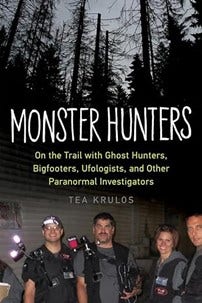
In the book Monster Hunters by Tea Krulos, the author lists the standard equipment used to track ghostly activity, including a flashlight, a Geiger counter, a geophone, and a Kestrel weather meter.
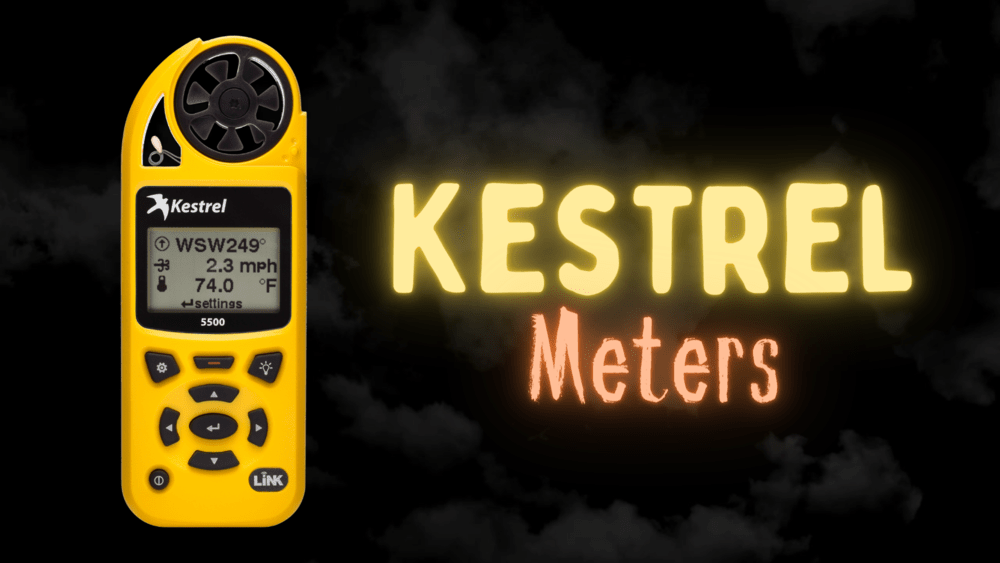
The Kestrel 5500 can be easily set up for overnight investigations with a Rotating Vane Mount and left on a Tripod to continuously record fluctuating changes, tracking air movement, temperature, barometric pressure, and more. If you 're interested in logging data and need to simply spot-check conditions, the Kestrel 3500NV is perfect for the job. It even has a dim red backlight for nighttime use!
“Since weather is caused by changes in energy and paranormal activity may be linked to energy, it is a theory that should be studied further and documented scientifically,” says eastcoaststrip.org, explaining how wind, temperature, and humidity could link to potential paranormal activity in the area.
Why Environmental Data Matters in Paranormal Research
One of the most commonly monitored parameters in ghost hunting is temperature. Ghost hunters believe that sudden and unexplained temperature fluctuations can signify paranormal activity. These rapid drops or localized cold spots, often referred to as "cold drafts from nowhere," are said to coincide with manifestations or energetic shifts attributed to spirits. Kestrel Meters provide accurate and real-time temperature readings, helping investigators identify significant changes that might coincide with reported ghostly encounters. These fluctuations, they theorize, could be related to the energy expended by spirits or the manifestation of a ghostly presence.
Humidity is another key factor, as high moisture levels can amplify certain electromagnetic fields, while shifts in humidity levels might suggest the presence of an unknown energy source. Anomalous humidity changes may also be linked to the displacement of air caused by unseen movement. Likewise, barometric pressure readings can help eliminate or support theories about environmental changes tied to the timing and location of unexplained activity, such as the onset of a sense of dread or auditory hallucinations reported in haunted places.
Kestrel Meters are handheld devices primarily used to measure various environmental parameters such as temperature, humidity, barometric pressure, and wind speed. Ghost hunters have repurposed these instruments to monitor the environment during paranormal investigations, often using the logged data to cross-reference with audio recordings, video anomalies, or sensory experiences. This multi-dimensional data collection gives a structured lens through which paranormal claims can be better analyzed and interpreted.
EMF vs. Atmospheric Data: A New Frontier in Ghost Hunting
Most ghost hunters are familiar with EMF (electromagnetic field) meters, which are standard tools for detecting anomalies. However, EMF readings alone can be inconclusive due to the high number of false positives from wiring, cellphones, and household electronics. Even power lines outside a building or a poorly shielded outlet can trigger EMF spikes, misleading investigators who rely solely on these signals. That 's where atmospheric data from Kestrel meters becomes valuable. Environmental factors—temperature dips, wind bursts, and humidity spikes—can provide an added layer of measurable context to an EMF spike, potentially confirming that an event is more than just a tech glitch.
By monitoring atmospheric variables alongside EMF activity, investigators can begin to build a case that links energetic changes to real-world conditions, giving more weight to their findings. In some circles, this multidimensional approach is referred to as “layered validation.” For example, if an EMF spike is accompanied by a sudden wind shift, pressure drop, or temperature anomaly, the likelihood of a legitimate event—paranormal or otherwise—becomes higher. This type of cross-referencing allows teams to separate coincidental readings from moments that merit deeper scrutiny, making their investigations more robust and scientifically defensible.
How Kestrel Instruments Fit Into Your Ghost Hunting Kit
Whether you're a weekend enthusiast or a seasoned investigator, Kestrel meters offer features that elevate any ghost hunting setup:
- Portability: Lightweight and easy to carry from room to room in an abandoned house or throughout a vast outdoor location.
- Continuous Logging: Record data over several hours and analyze trends after the investigation ends.
- Night Visibility: Models like the Kestrel 3500NV feature red backlighting to preserve night vision.
- Hands-Free Operation: Mountable with accessories like the Rotating Vane Mount for extended monitoring sessions.
- Weatherproof Design: Built to function in damp, dark, and unpredictable environments.
Paranormal Field Applications: Real Scenarios Using Kestrel Meters
Kestrel Meters have been used in haunted locations across the U.S., from battlefields and abandoned asylums to historic mansions and rural cemeteries. Teams have reported:
- Sudden wind shifts without a natural explanation.
- Simultaneous dips in barometric pressure and unexplained noises.
- Temperature drops aligned with audio anomalies or apparitions on thermal cameras.
These environmental changes often occur in areas with a high concentration of reported paranormal activity, prompting investigators to return to the same hotspots over multiple nights to validate patterns. In some cases, Kestrel data has revealed recurring drops in temperature or fluctuations in wind direction that coincide with consistent witness reports or audio phenomena. Such observations become particularly compelling when repeated across separate investigations and different types of sensor equipment.
In these scenarios, Kestrel meters offer concrete timestamps and data logs, which can be reviewed alongside audio, video, and EMF recordings to look for patterns and correlations. The idea isn 't to “prove” the supernatural, but to add layers of environmental data that help build a case or refute natural causes. By creating these data-supported narratives, teams can move beyond subjective experiences into more evidence-driven discussions about what might occur in the environment.
Building a Paranormal Investigation Report With Kestrel Data
More seasoned ghost hunters often compile investigation summaries after visiting a site. These reports can include:
- EMF readings and timestamps
- Photographic and video evidence
- Eyewitness accounts
- Historical data of the location
- Kestrel data logs
Adding Kestrel data logs allows teams to analyze the relationship between environmental variables and reported activity. Did a cold spot coincide with a barometric pressure dip? Was a sound recorded during a spike in wind speed? These kinds of correlations elevate the scientific value of the report.
The Skeptical Perspective: What Data Can and Cannot Do
While tools like Kestrel meters bring structure to ghost hunting, it's important to maintain a critical and balanced perspective. Environmental changes can result from many known factors—air drafts, weather shifts, HVAC systems—and must be ruled out before attributing any anomaly to the paranormal. The key is to control the environment as much as possible and gather enough consistent data to support or debunk theories.
Kestrel data helps narrow the margin of error and gives investigators something tangible to work with, whether to substantiate findings or challenge them.
A Brief History of Ghost Hunting Tools
The evolution of ghost-hunting tools reflects the growing desire for a more structured approach. From simple pendulums and dowsing rods in centuries past, investigators have gradually adopted tools like infrared thermometers, Geiger counters, EVP recorders, and yes, Kestrel weather meters. These modern instruments provide quantifiable feedback and eliminate much of the guesswork that early ghost hunters faced. Integrating data loggers, motion sensors, and multi-parameter environmental meters shows how seriously many investigators now take their craft.
The push toward using scientific instruments symbolizes a broader shift within the community: one that values data as much as experience. As technology advances, we can expect ghost hunting gear to evolve even further, blurring the line between fringe exploration and scientific inquiry.
Ethical Considerations in Paranormal Investigations
Using scientific equipment brings a level of credibility, but it also brings responsibility. Ethical ghost hunting means:
- Respecting private property and obtaining permission before entering locations.
- Avoiding sensationalism or faking results for entertainment.
- Respecting the emotional and spiritual sensitivities of people connected to the investigated sites.
- Disclosing when a finding lacks verification or is inconclusive.
Bridging Science and Mystery: The Future of Paranormal Fieldwork
Ghost hunting with Kestrel Meters represents a unique fusion of science and the supernatural. By using these instruments to monitor environmental variables, paranormal investigators hope to collect data that supports their claims of ghostly encounters. Accurate data logs and atmospheric readings provide a framework for deeper analysis, reducing the influence of anecdotal accounts and unverified sensations. Kestrel tools help bridge the gap between subjective experiences and measurable physical changes, offering a foundation for more rigorous exploration.
While Kestrel Meters provide an objective and data-driven approach to ghost hunting, it's important to remember that the field remains highly speculative, and many of the phenomena associated with the supernatural have yet to be scientifically verified. Still, by fostering an evidence-based mindset, tools like these enable investigations that are not only more credible but also more constructive. If you decide to explore the world of ghost hunting with Kestrel Meters, do so with an open mind, a critical eye, and a commitment to ethical and responsible investigation. After all, the true nature of the paranormal remains a mystery waiting to be unraveled—and perhaps better understood through the lens of science.